



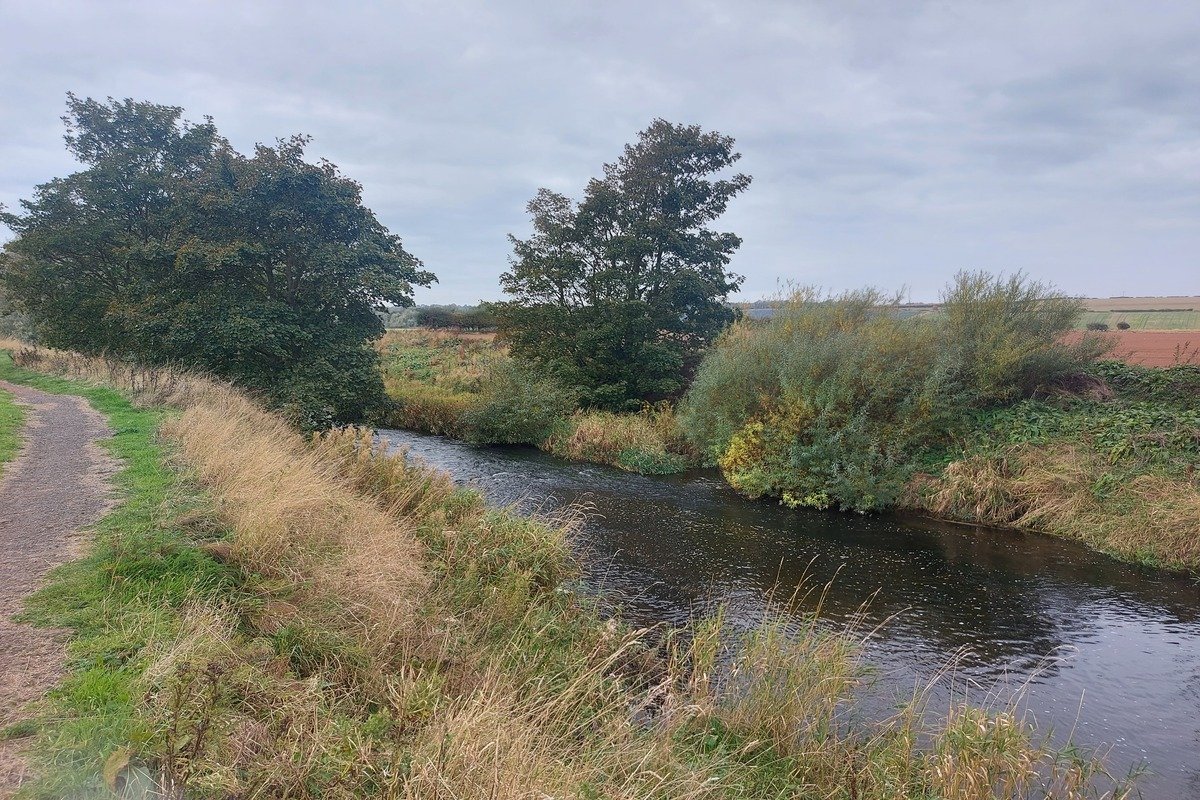
Unapologetically beautiful. Unapologetically interesting. Unapologetically autumnal. This was the stretch of the John Muir Way I walked, covering the distance from Dunbar to East Linton along both the coast and country of East Lothian. As the leaves fell from the trees in the death throes of the summer season, I discovered and learned about the town of Dunbar, the village of West Barnes – home to Thistly Cross Cider, Scotland’s leading cider producer – and East Linton as well as everything along the pathways in between.
East Lothian: the birthplace of Scotland’s flag and of John Muir, the father of America’s national parks and champion of world conservation. A conservationist, a farmer, an inventor, a botanist, an explorer, a writer, a geologist and a mountaineer. Truly, Scotland has given the world some amazing people.
Dunbar and the coast
I started off my walk early in the town of Dunbar, the birthplace of John Muir and home to the second-oldest lifeboat station in Scotland, established by the Royal National Lifeboat Institute (RNLI) in 1864. Before beginning my walk in earnest, I decided to take a look around the town which would serve as my starting point and learn more about it. Whereas it boasts some fascinating history, this isn’t my only interest, however. I want to discover what Dunbar has to offer in the ‘here and now’, and to that end, breakfast in a local café is the perfect place to start.
A delicious breakfast roll, topped off with some exquisite old-school sponge cake was just the boost I needed to start the day. The Food Hamper was a nice atmosphere to sit and eat in, and I left in high spirits. The town was beginning to wake up, with shops such as an interesting-looking vinyl record store opening. But no time to waste, as I have a train to catch at the end of my journey, so it’s time to begin walking.
I start at the harbour, dating back to 1574 and standing beside the ruins of Dunbar Castle, and set out towards the coastal part of the path. A diversion through Bayswell Park shows a richer part of Dunbar: big houses with beautiful gardens and trees standing as if on parade, gently showering their leaves onto the ground. Hitting the coast, I walk along a tarmac path, listening to the waves crashing against the sand as the sea runs into its natural barrier: the land. Complementing the waves are huge rocks and massive cliff faces, towering under the dark and cloudy sky of the morning, adding an air of mystery that’s just begging to be discovered.
From coast to country
Leaving Dunbar, I’m sandwiched between the coast and the country. The mighty North Sea halts at the land, barred access by woodland: perfect pines armed to the teeth with needles and cones. But, as the world spins on into autumn, the trees lose their needles, lost to a forest floor of needles and cones.
Further along, past the East Links Family Park where deer, ostriches, sheep and donkeys can be seen from the fence, the sea and salt marshes give way to a river and the countryside. I sit on a bench, looking at the rolling fields behind me and the marshes in front of me. I sit and listen to the sound of the breeze and the songs of the birds for longer than I’d planned, as the natural world entrances me. But I have a destination to reach, so onwards I go.
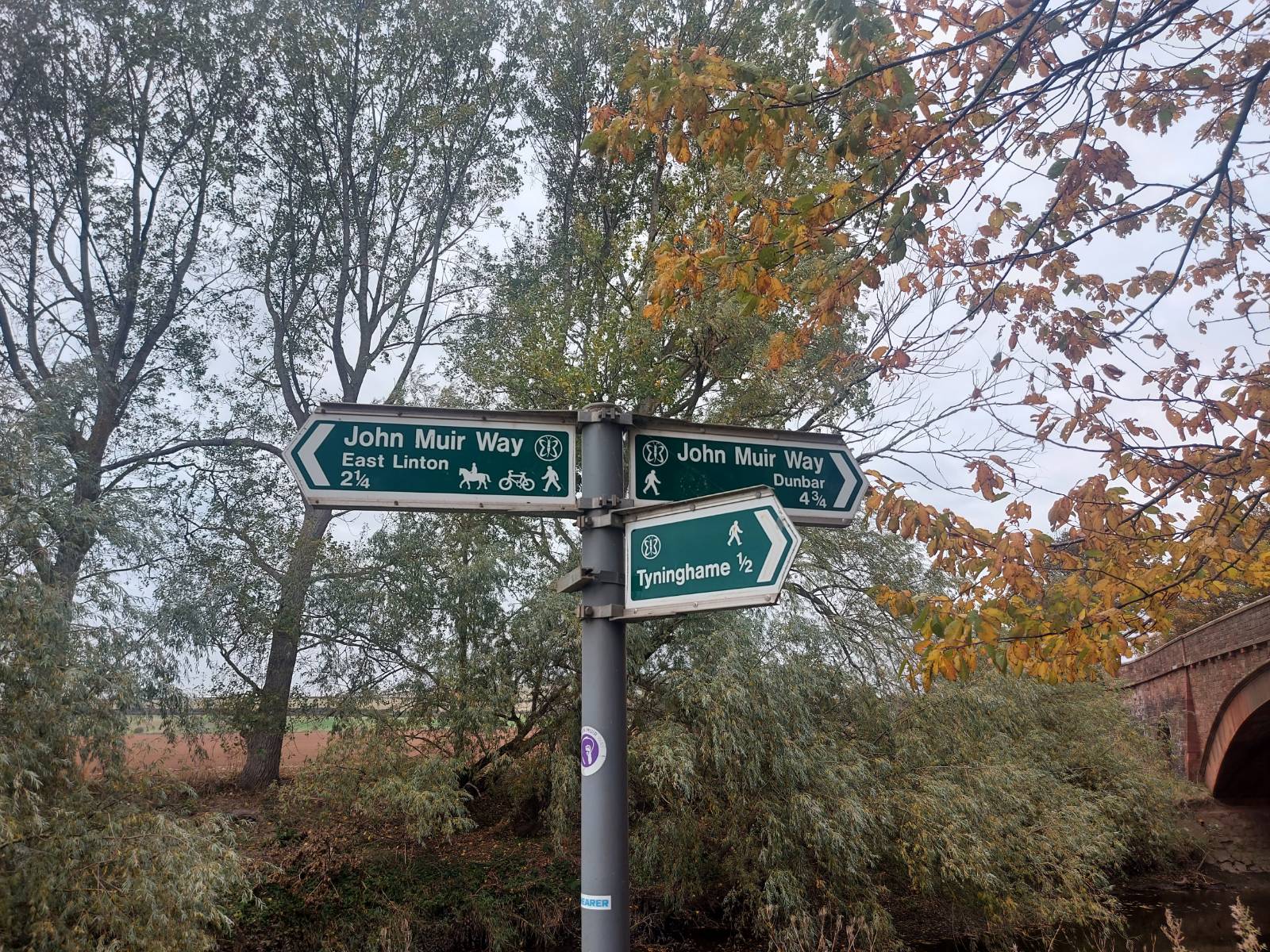
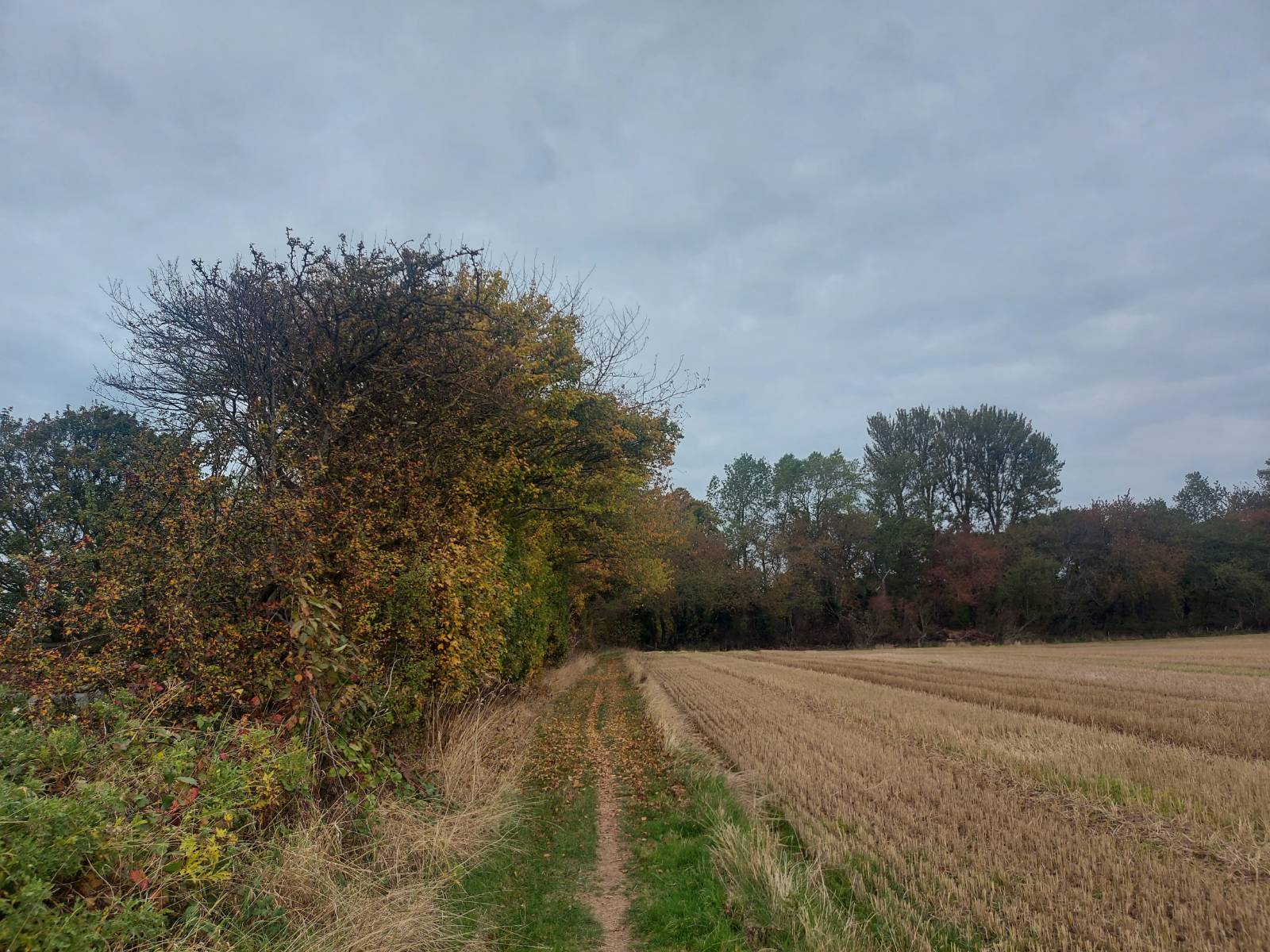
Just over two miles from East Linton I come to a field. Much like all the other areas I walk through, the leaves are turning yellow, covering the green grass along the path in autumnal colours. Beside the path is a golden field cut very short; ahead the path leads into the trees. Within those trees is Tyninghame Bridge, a marvellous stone structure which stands a little to the south of the village of Tyninghame. There, the yellow leaves strew the path, which now turns left to follow the River Tyne. Here, I track the small yet powerful and stunning body of water as I make my way to my final destination. Past fields of green and trees of yellow I walk, the babbling rush of the water filling my ears until I hit Preston Mill and the start of East Linton.
Journey’s end
Here, now, lies the destination. Beyond a few more trees and over the river is the village of East Linton. It’s a beautiful, ‘old-timey’ sort of settlement in places, with more modern suburban parts in others. Once more, the autumn vibe reaches out as trees along the road litter the ground with their leaves. Here, the sun complements the season as it fights its way out of the clouds.
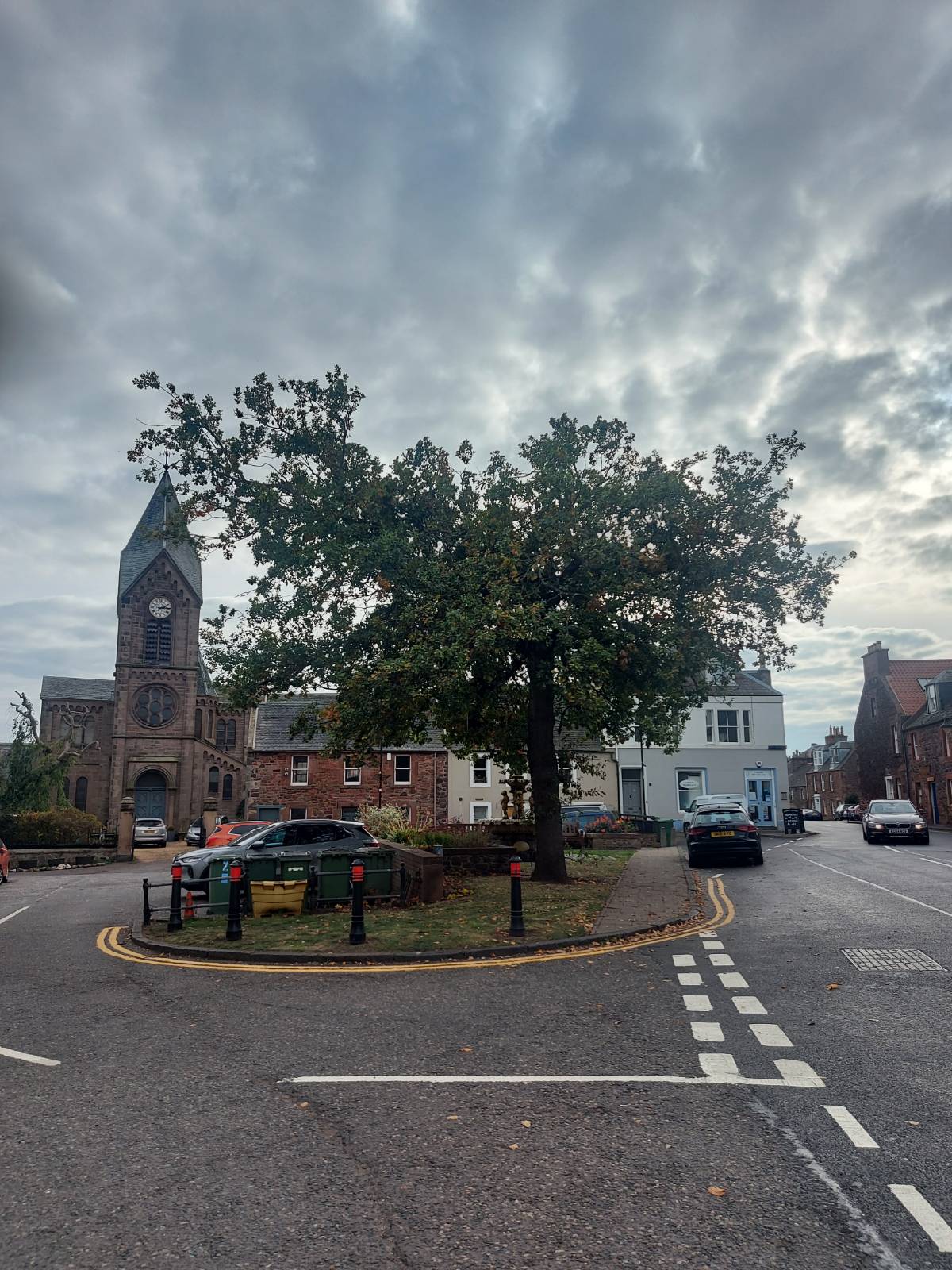
East Linton is home to a beautifully old-looking church, Prestonkirk Parish Church, the tower on which dates from 1631 and the rest of the building from 1770. In the village you can find all sorts of interesting things including a beautiful fountain in the square and a Wok and Go noodle bar inside an old, yellow double-decker bus. With cafés and pubs, there are plenty of places to eat, but I’ve eaten enough on this four hour walk already, so I go inside a small bookshop. ‘Night Owl Books’ is a small, very calm and quiet independent bookshop with a lovely lady at the counter who is on hand to offer reading recommendations.
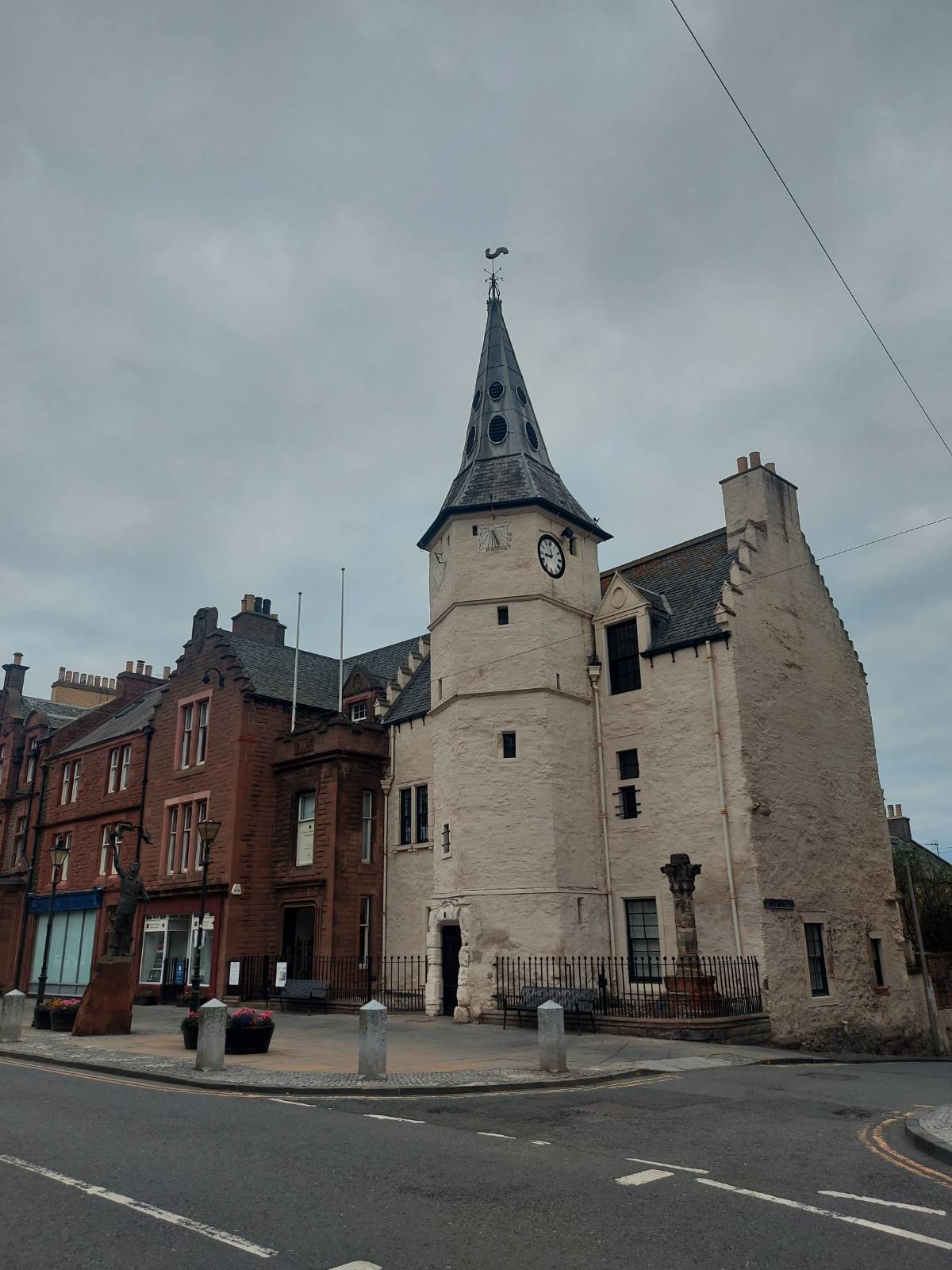
Sadly, East Linton is where I finish my walk. The John Muir Way has gifted my eyes with the prettiest of natural surroundings and my ears with nature’s rhythms. But as the path goes on through North Berwick, Musselburgh and beyond, this was not merely a walk but the start of an amazing journey which autumn has made look truly spectacular.
More on Scotland:


Subscribe to our newsletters
Each of our Bylines sends a newsletter every month and we also send out a ‘Best of Bylines, featuring a selection of the best articles from across the network





