Inchgreen Dry Dock is situated on the south bank of the river Clyde. It is on the boundary between Port Glasgow and Greenock and was constructed by public funds in the early 1960s. Scott Lithgow the former Shipbuilding company purchased the dry dock in 1967 and managed the site until the privatised Clydeport Operations Ltd., purchased the site in 1995. Clydeport Operations was privatised in 1992 by John Major’s Tory Government.
Peel Port ownership
The current owners, Peel Ports Ltd., acquired Clydeport Ltd. in 2002. In the past the dry dock was used to fit out and repair ocean liners, including the Queen Elizabeth and QE2. Over the years, its size and facilities enabled the repair and fitting out of large commercial and naval ships. The last major project undertaken at Inchgreen was in 2009. It involved the construction of a floating jetty for the Royal Navy submarine base in Faslane. Since then, Inchgreen has lain vacant.
Unfortunately, Peel Ports have done extraordinarily little repair or maintenance work to the dry dock facilities for the past 16 years; starving it of work, preferring to use their marine assets on Merseyside, Tyneside, Teesside, and Falmouth.
Dockside infrastructure demolished
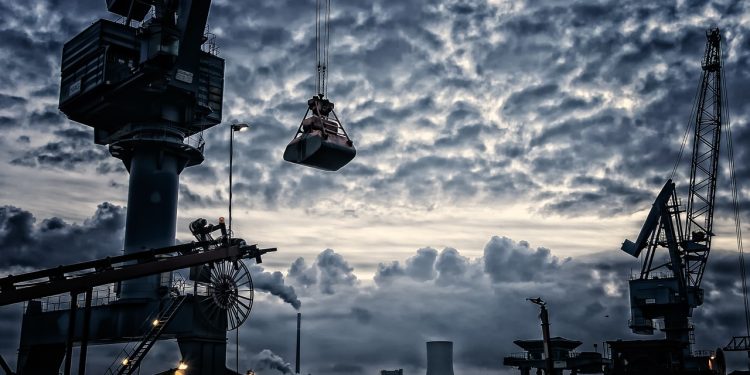
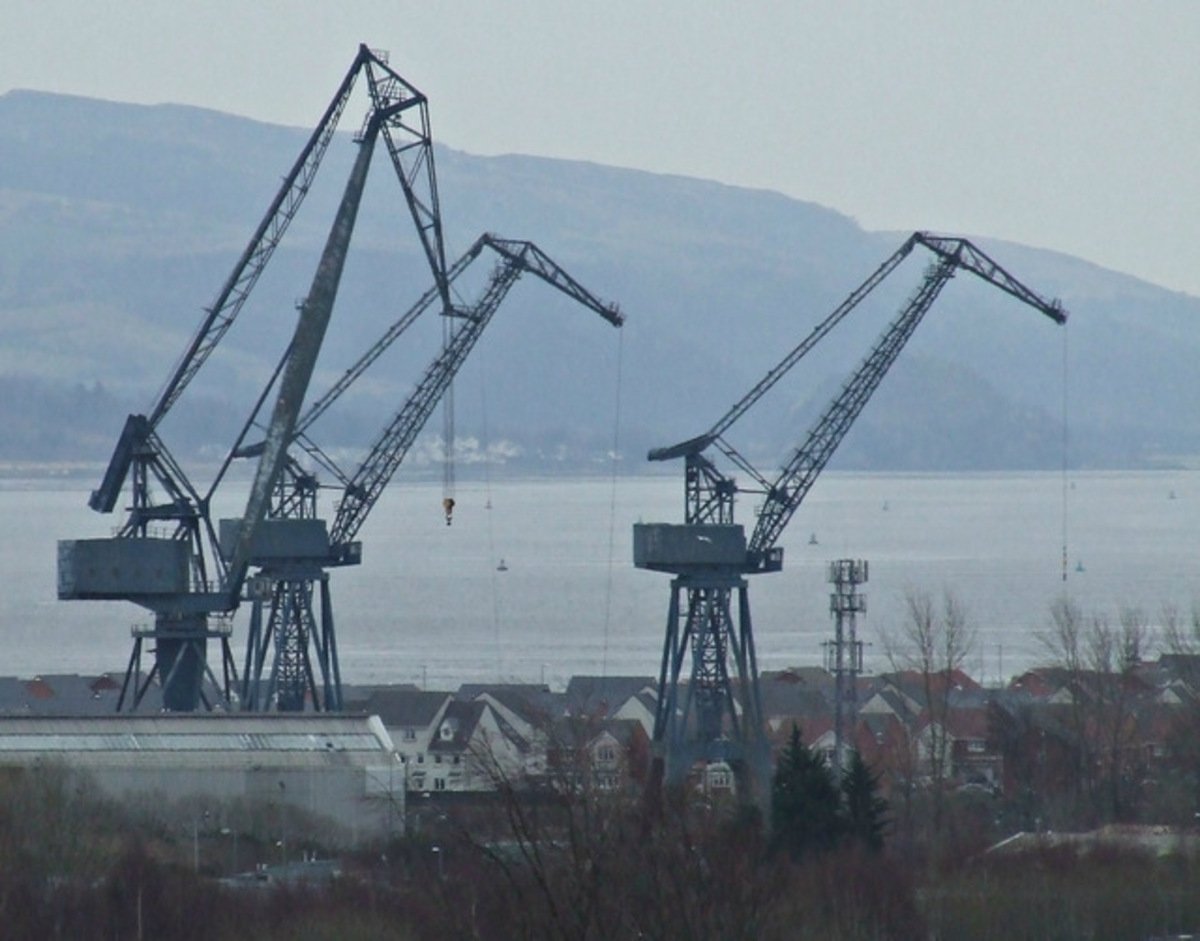
In 2017 the dockside cranes were demolished using explosives. It is understood that the pump room was flooded, and mobile pumps are now required to drain the dock. Shortly after the destruction of the cranes in 2017, The Campaign to Save Inchgreen Dry Dock was formed by a group of local volunteers concerned that a major national asset, such as Inchgreen, was being left to lie vacant and under threat of being lost altogether.
The Campaign Group, registered with the Scottish Council of Voluntary Organisations, passionately believes that a revival of marine engineering – including shipbuilding, ship repair and maintenance work – could make a substantial contribution to the regeneration of the area. Inverclyde is one of the most socially and economically deprived areas in the UK.
Giving Inchgreen Dry Dock a future
Bringing back Inchgreen Dry Dock into full operational use would be an integral part of Inverclyde’s industrial regeneration; bringing much needed employment and training opportunities. It would also contribute to the Clyde’s industrial regeneration boosting job opportunities for our youth and contributing to the local and national economy.
Feasibility study
With this aim, the Campaign Group authored a brief for a feasibility study which would examine and report on the practicalities and business case for restoring the dry dock to full operational use. The brief was sent out to tender to a select number of marine engineering consultancy firms and following an evaluation process, a UK based international company based was chosen as preferred tenderer. The cost of the study, on a fixed price, lump sum basis is £43,500, including of VAT. The Campaign has launched appeals for funding.
It is intended that 10% of the cost will be met from donations from the Inverclyde community and the remaining 90% by appeal to local and national government agencies, trade unions and other relevant parties.
We will use the completed Feasibility Study to bring political pressure on Peel Ports, either to lease the dry dock on affordable terms, or sell to other parties registering an interest. Scotland can ill afford to neglect their major industrial facilities and allow an offshore investment group to deprive our population of work, skilled jobs, and training opportunities.
Peel Ports beneficiaries of public funding – yet few jobs
Peel Ports/Clydeport Operations Ltd. has received millions from the Scottish public purse since their arrival on the Clyde in 2002. Yet, only employ 127 people in Scotland (2024 filed accounts, 8 Jan 2025).
The Campaign Group is collecting donations in an effort to help provide employment and training opportunities for the Inverclyde community. Should the campaign fail to reach its funding target, all donations will be refunded.
More on Scotland: